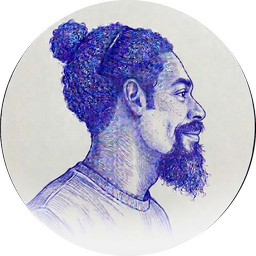
When Silence Speaks Louder Than Words
There are moments when staying quiet isn't weakness or escape: it's maturity, listening, and presence.

We grow up hearing that we need to have an answer for everything. Over time, we discover that some conversations change more when we stay quiet than when we explain. Well-used silence isn't empty: it's a form of respect.
The silence we learn with age
When we were younger, silence felt like defeat. Whoever stayed quiet in an argument lost the point, lost the argument, lost the chance to show they knew more. Today, with more years behind us, the math changes: we realize that a lot of things said on impulse cost far too much.
Mature silence isn't born from cowardice. It's born from experience. It's the man who has already seen a poorly placed phrase undo years of friendship, and so he learned to breathe before answering. It isn't perfection: it's a scar that became wisdom.
Staying quiet isn't agreeing
There's a common confusion between silence and submission. Staying quiet in a work meeting, at a family lunch, or in a difficult conversation can mean very different things: it can be respect, it can be tiredness, it can be strategy, it can be fear. The difference is in the reason, not the volume.
Chosen silence has an owner. The person knows why they're quiet and knows when they'll speak. Imposed silence, the kind that comes from fear of retaliation or the habit of erasing yourself, that kind needs to be looked at with attention.
Whoever stays quiet in an argument is always agreeing or giving up.
Often the person is processing, choosing the right moment, or simply refusing to enter a game that leads nowhere.

Listening as a form of presence
There's a kind of silence almost no one practices: listening without preparing your answer while the other person speaks. It's hard, because the mind races. But when it happens, the other person notices. It isn't a communication technique, it's presence.
In a marriage, in a twenty-year friendship, in the relationship with a teenage child, listening without interrupting is worth more than any brilliant advice. Sometimes the person doesn't want a solution: they want company for what they're feeling.
- Let the person finish before you speak
- Ask before giving your opinion: do you want advice or do you want to vent?
- Repeat in your own words what you understood, to confirm
- Accept the silence in the middle of the conversation without filling it
Well-used silence isn't empty: it's respect, listening, and trust.
The silence that is also omission
Not every silence is a virtue. There are situations where staying quiet leaves the other person alone: when someone suffers an injustice and no one says anything, when a friend is clearly not okay and we prefer not to get involved, when a lie circulates and silence legitimizes it.
Maturity calls for discernment. Staying quiet to avoid hurting is one thing; staying quiet to avoid being bothered is another. The line between the two is thin, and honesty with yourself helps you see which side you're on.
A mature person is one who never gets shaken and always stays silent.
Maturity is knowing when to speak firmly and when to stay quiet. Constant silence can also be fear of conflict disguised as serenity.
Silence at home, silence at work
In family, silence has two faces. It can be the peace of a home where no one needs to shout to be heard, or it can be the emptiness of a table where everyone eats looking at their phone. The difference is in the quality of presence, not the quantity of words.
At work, well-used silence protects. Not responding to a provocation by message, not getting into hallway gossip, not commenting on someone else's decision without being asked. These are small choices that build reputation over the years.
Faith, silence, and what can't be explained
In the life of faith, silence has a central place. There are prayers that are just presence, without request and without speech. There are questions that find no answer and that, even so, can be handed over. Not everything needs to be resolved in words.
For those who carry a faith, silence isn't absence: it's trust. It's the posture of someone who has already said what they had to say and now waits. It isn't passivity, it's rest.
Summary
Silence isn't a rule, it's a tool. Used with awareness, it protects relationships, avoids damage, and opens space to hear what matters. It's worth looking at your silences today and asking: what are they saying?
Frequently asked questions
How do I know if my silence is maturity or fear?
Ask yourself whether you chose to stay quiet or felt forced to. Chosen silence has peace, even when it's difficult; silence out of fear usually comes with accumulated resentment.
Doesn't staying quiet in an argument make me look weak?
It depends on the context. Refusing a fight isn't the same as accepting disrespect. If you need to set boundaries, you can do that later, calmly and clearly.
And when the other person uses silence to punish me?
Then it's no longer maturity, it's a form of control. It's worth naming what's happening and, if it's a pattern, seeking professional support.
Is there a time to speak even without being ready?
Yes. In situations of injustice or risk, silence can be omission. Speaking with care and truth, even trembling, is sometimes what the situation calls for.
Watch this reflection
This idea began as a short video. Watch it, follow the profile and keep up with the next reflections.
Part of the content is produced with the help of artificial intelligence (script, voice and images). Nothing here replaces medical, psychological, legal or financial advice.