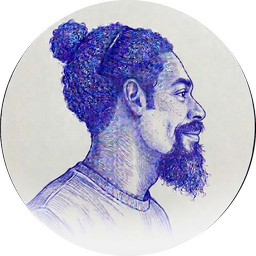
When the lap becomes a refuge: fatherhood that overflows
Mature fatherhood is not about perfection, but about a presence that welcomes and sustains.

There is a moment in a man's life when the lap stops being just a physical gesture and becomes an emotional refuge. We are not talking about weakness, but about the serene strength of someone who has learned to welcome. Fatherhood that overflows is born from this awareness: the father who becomes a safe shelter for his children and for himself.
The lap that welcomes and transforms
When a child seeks his father's lap, he is not just looking for physical warmth. He is looking for the certainty that there is a safe place in the world, where his vulnerabilities are accepted without judgment. This refuge is not built with grand speeches, but with the consistency of being present, even on difficult days.
For the man over 40, this perception may come as a late revelation. Many grew up hearing that a man doesn't cry, doesn't show affection, doesn't let himself be brought down. Fatherhood that overflows invites us to review these codes and discover that true strength lies in offering shelter, not in building walls.
- The lap is a silent presence that validates the child's emotion.
- Sheltering is not solving all problems, but ensuring that no one faces them alone.
- Overflowing is giving of what you have, without emptying yourself completely.
A father who welcomes is a weak father.
In practice, welcoming requires more self-control and courage than repressing feelings.
Fatherhood that overflows: when excess becomes fatigue
Overflowing can be beautiful, but also dangerous. When the father dedicates himself excessively, without caring for himself, the refuge can become a burden. Maturity teaches that giving too much without recharging leads to exhaustion and, ironically, to forced absence.
Balancing giving with self-care is not selfishness. It is ensuring that the well from which you draw water for others continues to have water. The mature man understands that asking for help, resting, and setting limits is also a form of self-love and respect for the family.

Faith and maturity: the foundation of refuge
For many men, faith offers the foundation of this refuge. The Bible, when read honestly, does not promise a life without storms, but points to a God who welcomes. The father who knows himself welcomed can welcome better, because he does not depend only on his own strength.
Spiritual maturity is not about having all the answers, but about trusting that there is a safe harbor even when circumstances are uncertain. This trust translates into serenity at home, into words that build up, and into attitudes that sustain.
- Recognizing one's own limits is an act of humility.
- Prayer can be a space of rest for the overwhelmed father.
- Sharing faith in the family strengthens bonds and creates affective memories.
The lap that welcomes is not weakness: it is the serene strength of someone who has learned to be a refuge.
Friendship and work: refuges outside the home
Fatherhood that overflows is not limited to the domestic environment. True friendships and work with purpose also serve as refuges for the mature man. They are spaces where he can be himself, without masks, and recharge his energy to continue being a shelter.
Cultivating friendships in maturity requires intentionality. It is not about many acquaintances, but about a few good confidants. At work, seeking meaning in what you do and establishing healthy relationships prevents external pressure from contaminating inner peace.
A mature man no longer needs friends.
Male loneliness is a real risk; deep friendships are a source of emotional health.
Small gestures, great legacies
Refuge is built in everyday life: a conversation in the car, a dinner without a cell phone, a long hug before bed. These are simple gestures that, repeated, teach children that their father's lap is a place of safety. And for the father himself, these moments become memories that warm the soul.
Fatherhood that overflows does not seek applause. It rejoices in seeing the child grow up secure, knowing that he can return to the lap when needed. And, in the silence of a home where there is love, the mature man finds the reward of a life that makes sense.
When refuge needs to be sought
There are times when the father also needs refuge. Maturity includes recognizing that no one is an impregnable fortress. Seeking support from your wife, friends, faith community, or a professional is not a sign of failure, but of wisdom.
The man who learns to ask for help teaches his children that vulnerability is not shameful. And, by allowing himself to be welcomed, he becomes a more authentic welcomer, because he knows the other's need from his own experience.
Summary
Fatherhood that overflows is made of presence, limits, and faith. By building refuges for his children, the mature man also finds shelter for himself. How about reflecting today on a small gesture that can transform your home into a more welcoming place?
Frequently asked questions
How can I be a present father if work demands so much?
Presence is not measured only in hours, but in quality. Small moments of full attention, such as a meal without distractions, can be more meaningful than long periods of physical absence.
Can a man cry in front of his children?
Yes. Showing emotions in a balanced way teaches children that feeling is human and that it is possible to deal with emotions without losing control.
What should I do when I feel exhausted as a father?
Recognizing tiredness is the first step. Seek support from family, review priorities, and, if necessary, seek a professional to talk about the overload.
How to cultivate true friendships after 40?
Invest in quality relationships, with time and transparency. Participating in groups with common interests, such as sports or studies, can facilitate meaningful encounters.
Watch this reflection
This idea began as a short video. Watch it, follow the profile and keep up with the next reflections.
Part of the content is produced with the help of artificial intelligence (script, voice and images). Nothing here replaces medical, psychological, legal or financial advice.