You Will Never Be Complete — and That Can Be Liberating
Maturity isn't arriving finished: it's continuing to walk without an audience, with faith, family, and work.
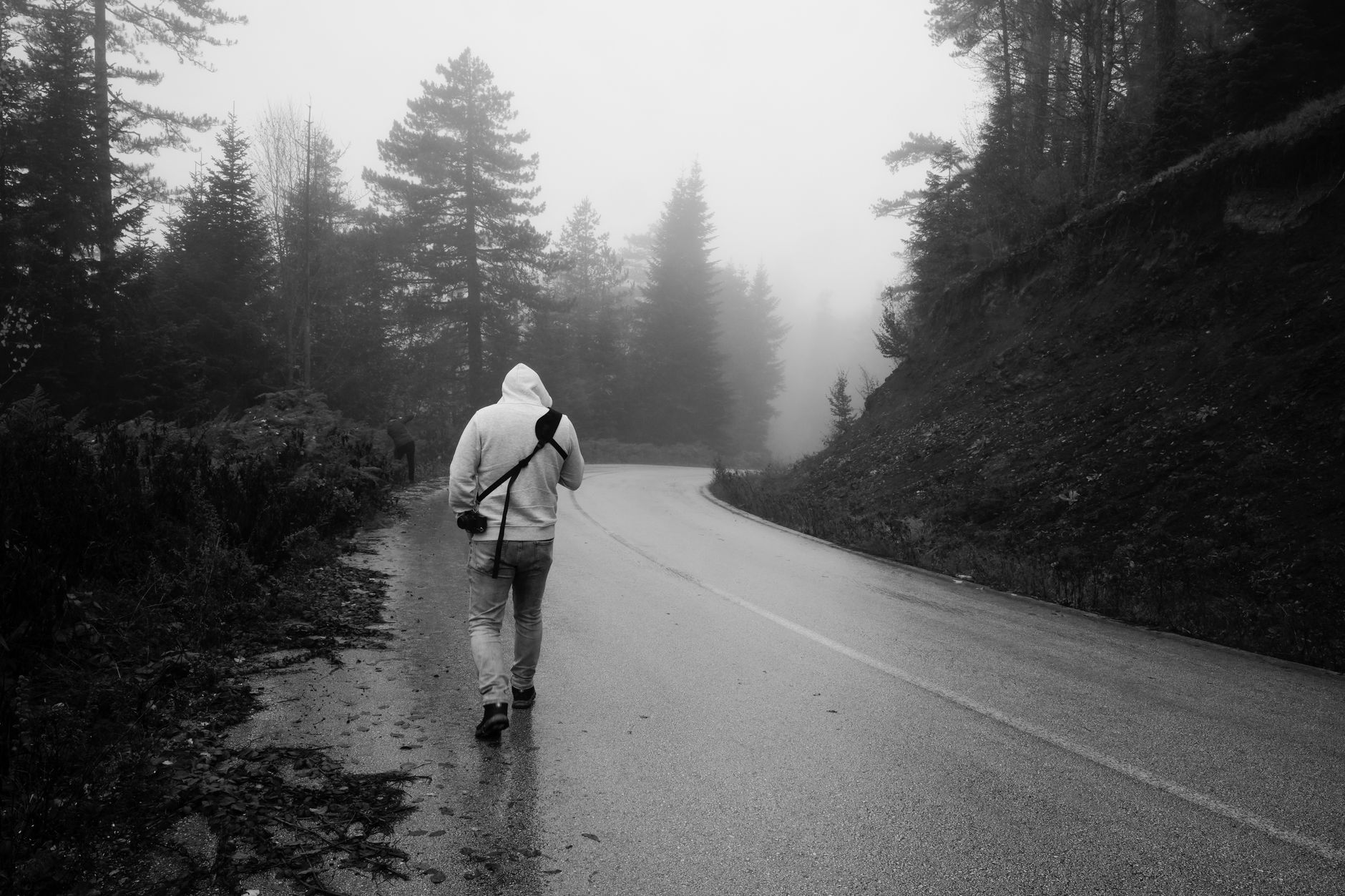
At 43, I realized I still don't dress, speak, or feel like the adult I saw in my father. Maybe no one is truly complete. And that, instead of being frightening, may be the most liberating thing there is.
The adult I saw in my father
For a long time I thought there was a moment when we truly became adults: a click when a man starts knowing what he's doing, wears the right clothes, answers without hesitating. At 43, I'm still waiting for that click. And I'm starting to suspect it isn't coming.
What took me a while to understand is that maybe my father wasn't complete either. He just had more years of practice at hiding his unpreparedness. The image I saw was the outside part, not the whole process — and any man's process is full of doubt, exhaustion, and improvisation.
There's an age when a man finally becomes ready and sure of everything.
In practice, what exists is more experience in dealing with not knowing. The confidence of those we admire is usually built serenity, not the absence of doubt.
The conversation that disarmed me
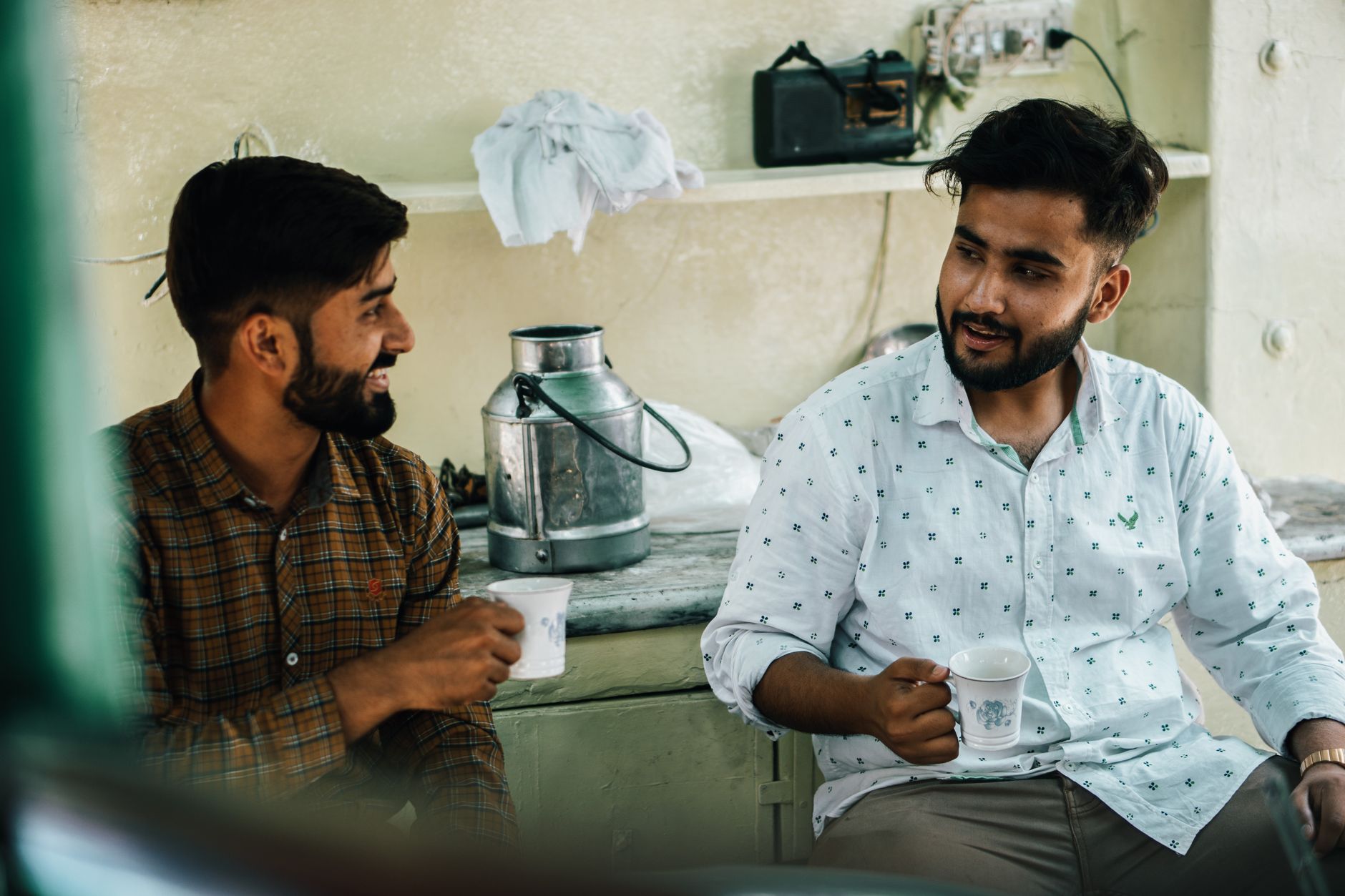
I noticed this in an ordinary conversation with a longtime friend. He told me about a fear I also had and never spoke of. That day, we both became less ready and more close.
Mature friendship has this strange effect: the less we pose, the closer we get. The man who admits fear doesn't lose respect — he gains company. And company, at this point in life, is worth more than any appearance of control.
- Talk about fear before it turns into distance.
- Listen without already preparing your answer.
- Acknowledge out loud what the other person actually said.
- Don't turn the conversation into a competition of victories.
At work, at home, in faith
At work, this shows up when someone younger teaches a tool and we listen instead of pretending we already knew. At home, it shows up when we apologize without beating around the bush. In faith, when we admit we still have questions.
These are three places where pride charges a high price. The man who pretends to know at work loses the chance to learn. The one who doesn't apologize at home accumulates distance. The one who doesn't admit doubt in faith turns belief into a pose — and posing is tiring.
The greatness of the men I admire wasn't in arriving ready, but in continuing to walk without an audience.
What the older people I admire had
Maybe that's what the older people we admire had: not completeness, but the willingness to keep walking without an audience. They didn't know everything. They knew how to keep going.
I think of the men who marked me: none of them was flawless. They were present. They showed up, took responsibility, started over. Their greatness was in constancy, not perfection.
Those who are mature have already resolved their own issues inside.
Those who are mature have learned to live with their issues without stopping walking. The difference isn't the absence of the problem, it's the relationship with it.
The question that remains
The question that remains isn't whether you've already arrived. It's whether you've been demanding that you be a finished version or have been accepting the process. The honest answer, even when uncomfortable, usually opens a path.
Demanding that you be ready is tiring and isolating. Accepting the process liberates and brings you closer. It isn't giving up on growing — it's growing without the fantasy that one day the work will be finished.
- Where have I been pretending I already know?
- With whom can I be honest about what I don't know?
- What apology am I postponing out of pride?
- What does walking without an audience mean to me?
Summary
Maybe the freedom we seek isn't in finally being ready, but in accepting the process with faith, family, and friendship nearby. It's worth looking at your own journey today and asking, without rushing, what you've been demanding of yourself.
Frequently asked questions
Does this mean I should give up on improving?
No. It means swapping the goal of being ready for the practice of continuing to grow. Improvement continues — it just stops being a cruel demand.
How can I admit doubt without losing authority?
Authority is built with coherence, not omniscience. Those who listen and acknowledge their limits are usually more respected than those who pretend to know everything.
And in faith, can I have questions?
Having questions is part of a living faith. The problem isn't doubting, it's using doubt as an excuse to distance yourself from God and from others.
Why does this bother people in their early 40s so much?
Because it's the age when we compare our real life with the image we had of an adult. The comparison weighs on us, but it also opens space for a more honest maturity.
Watch this reflection
This idea began as a short video. Watch it, follow the profile and keep up with the next reflections.
Part of the content is produced with the help of artificial intelligence (script, voice and images). Nothing here replaces medical, psychological, legal or financial advice.